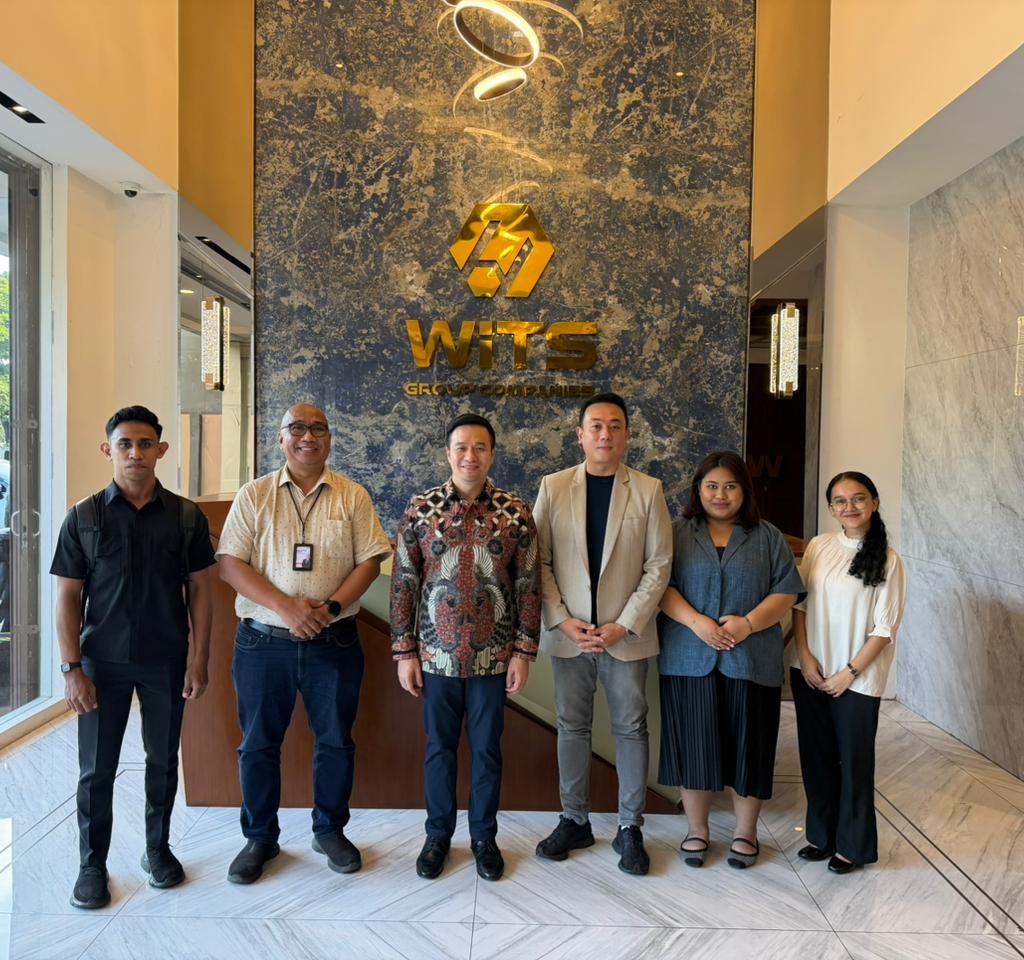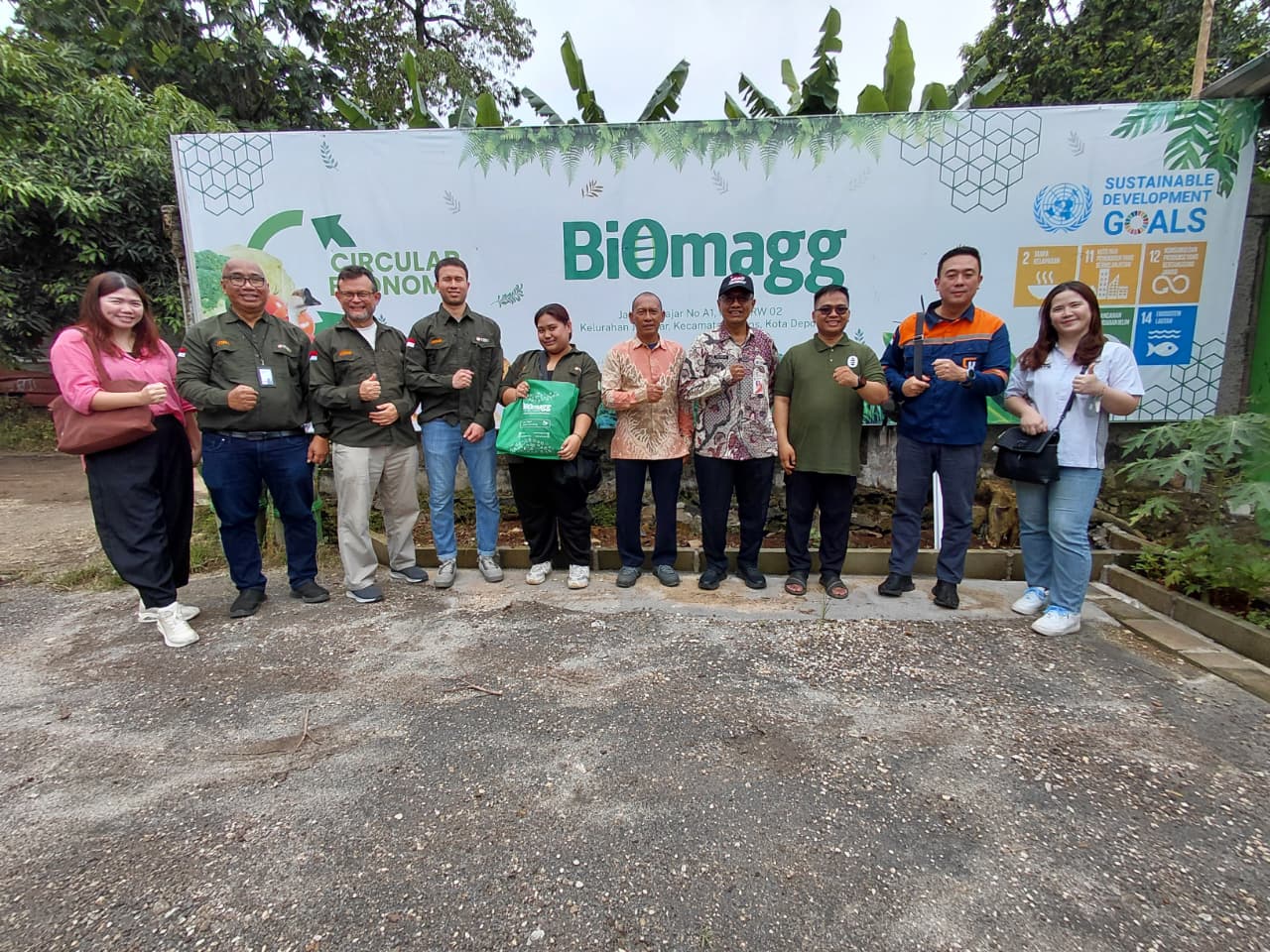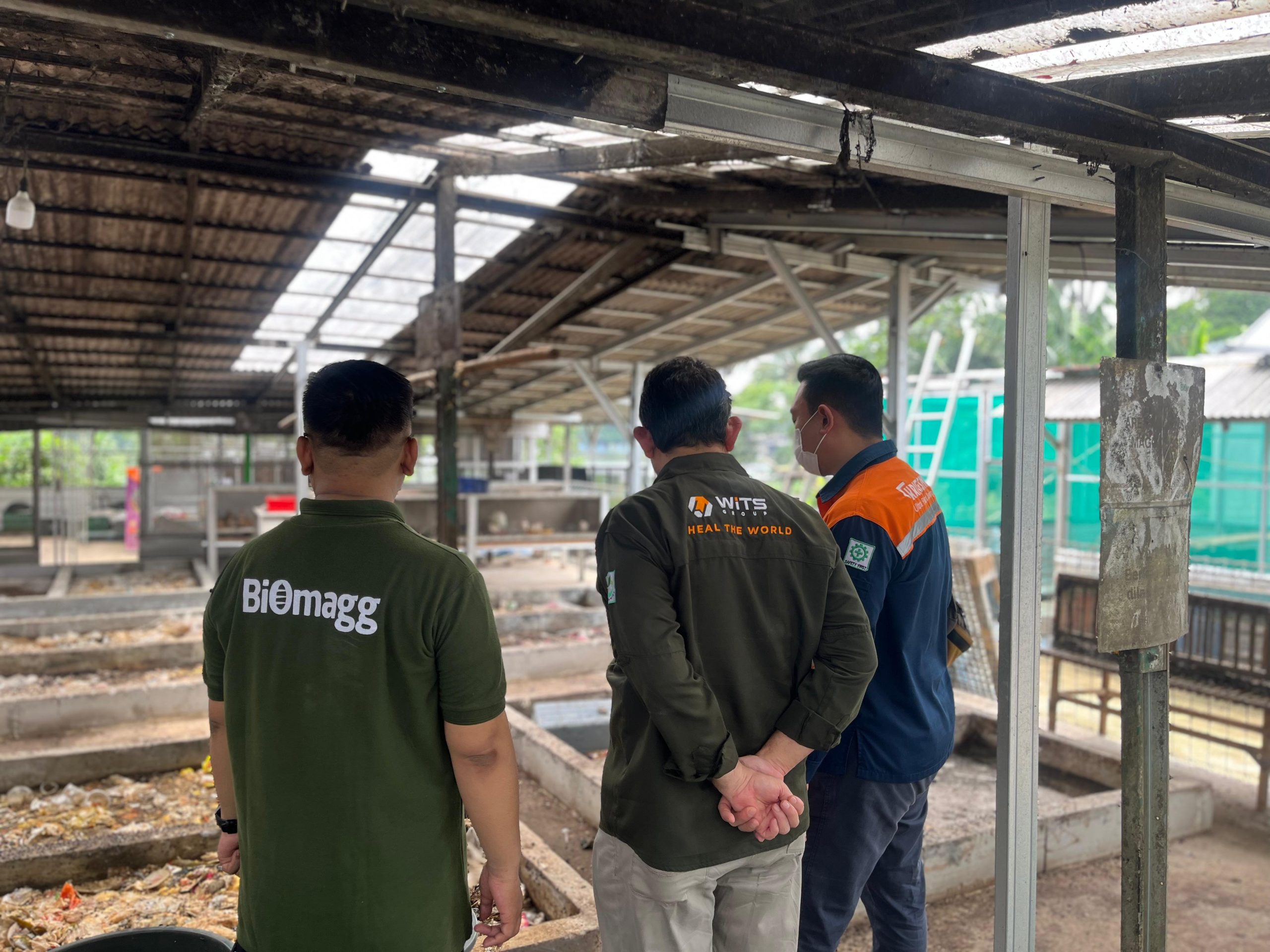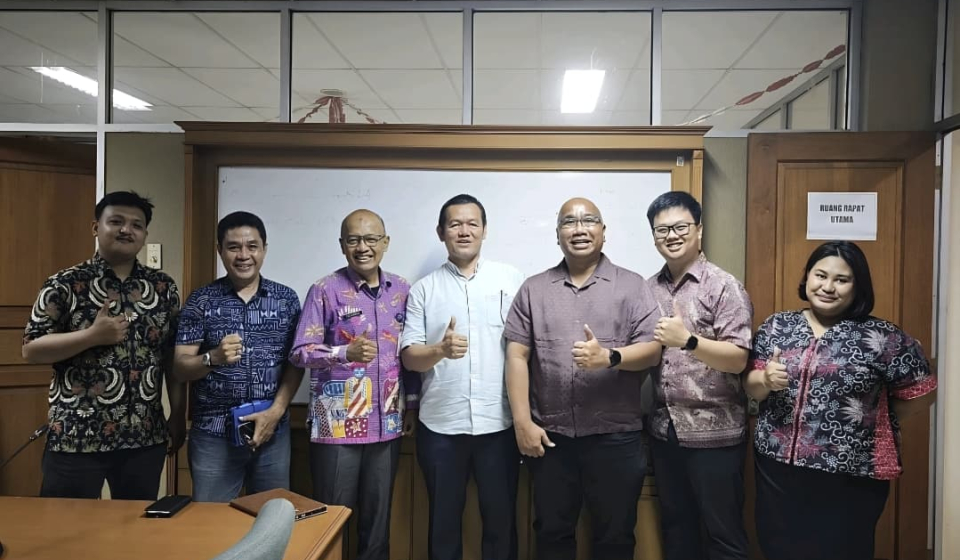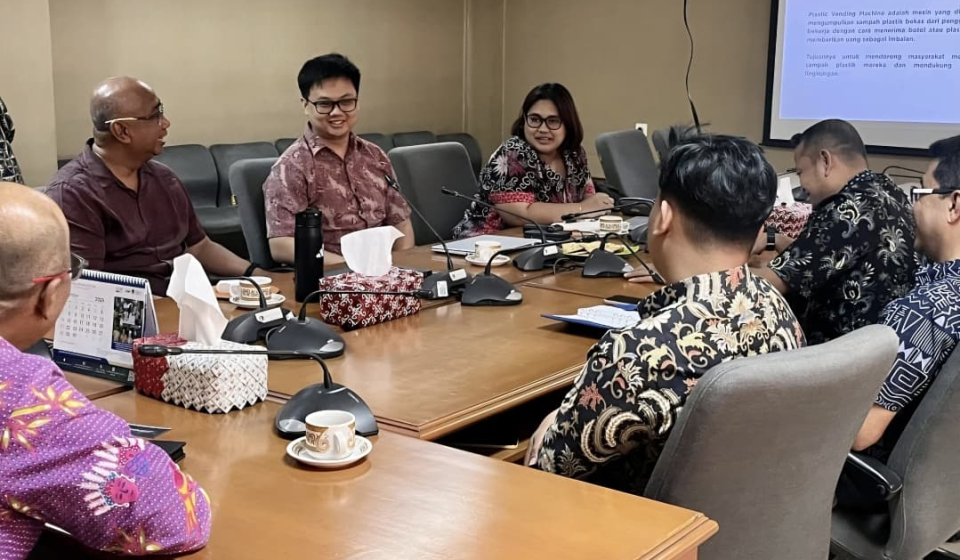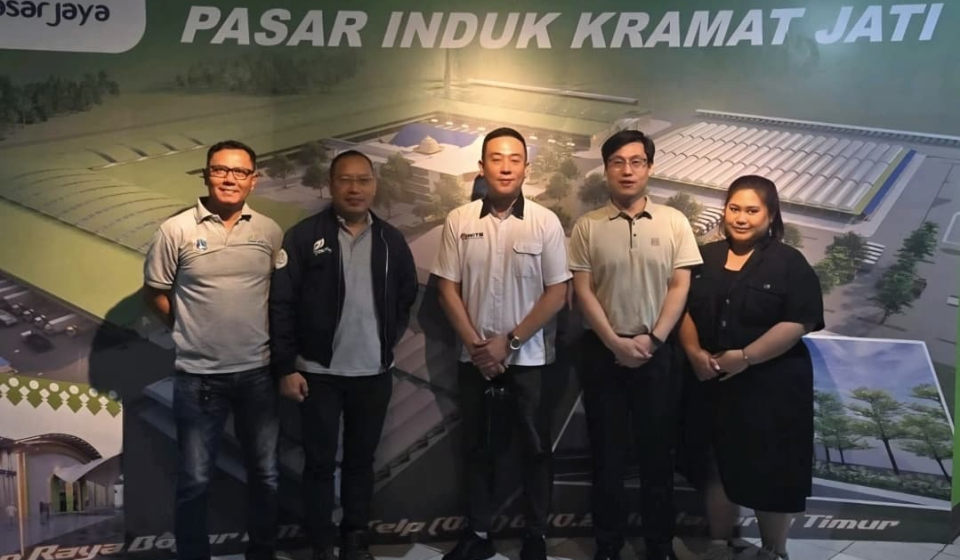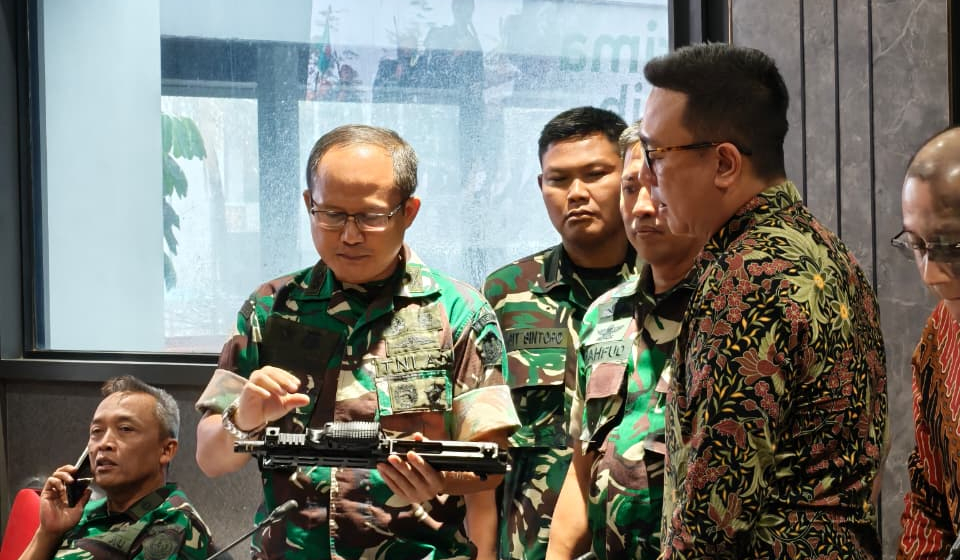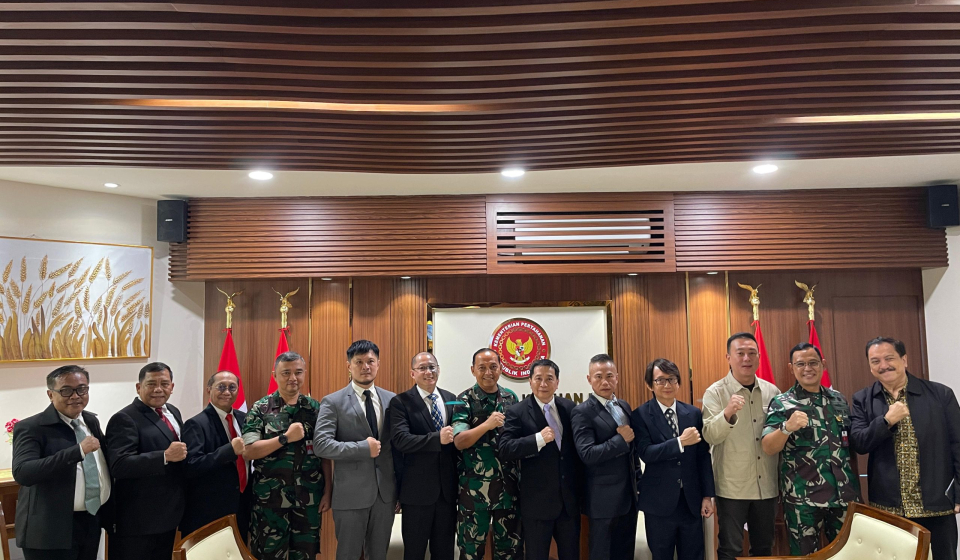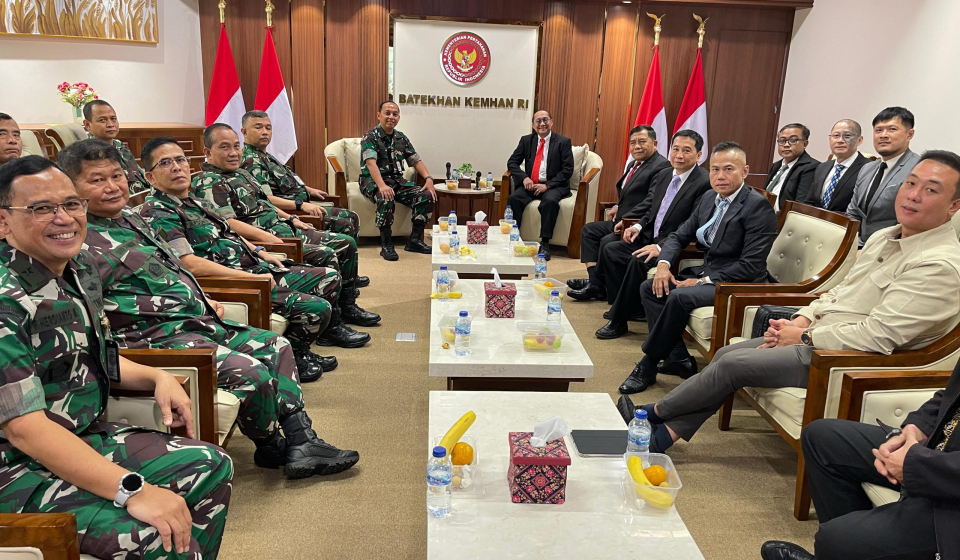
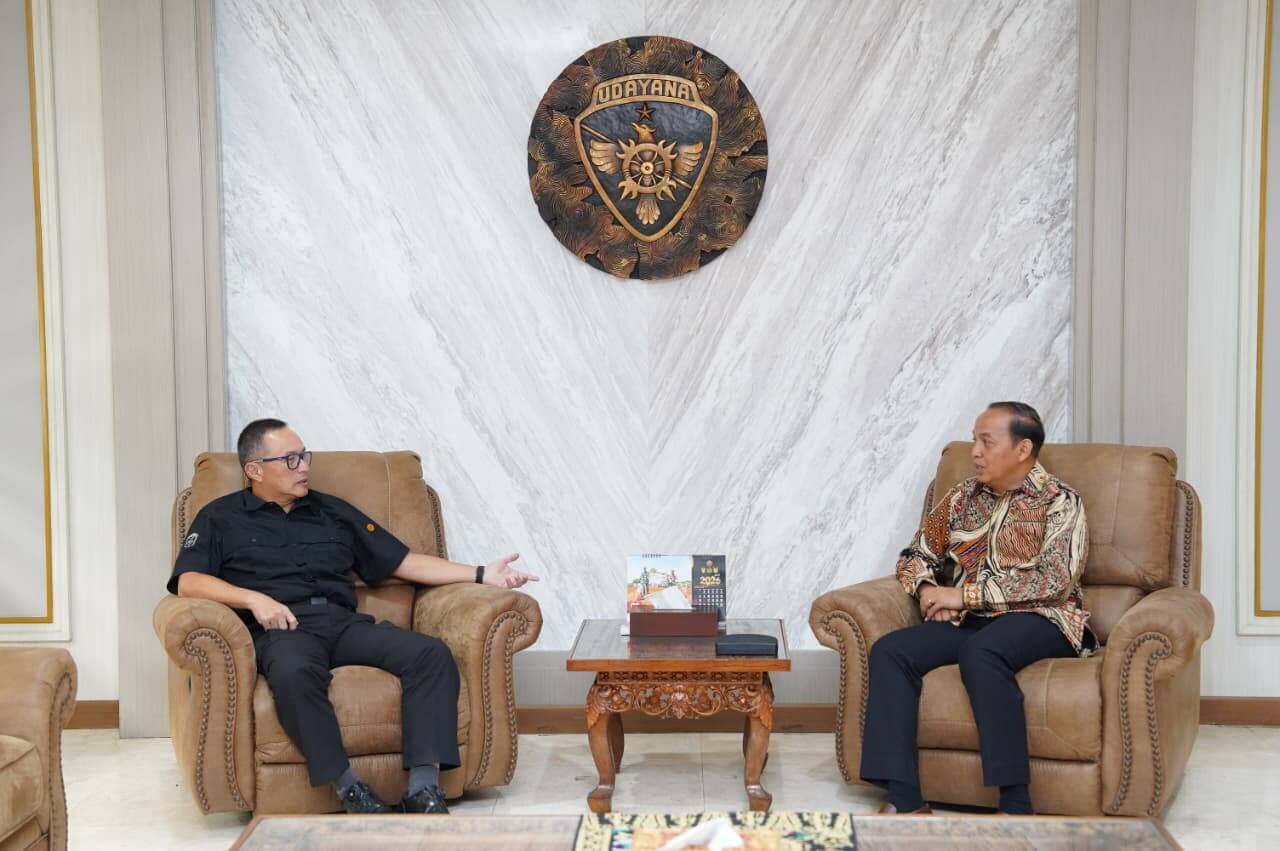
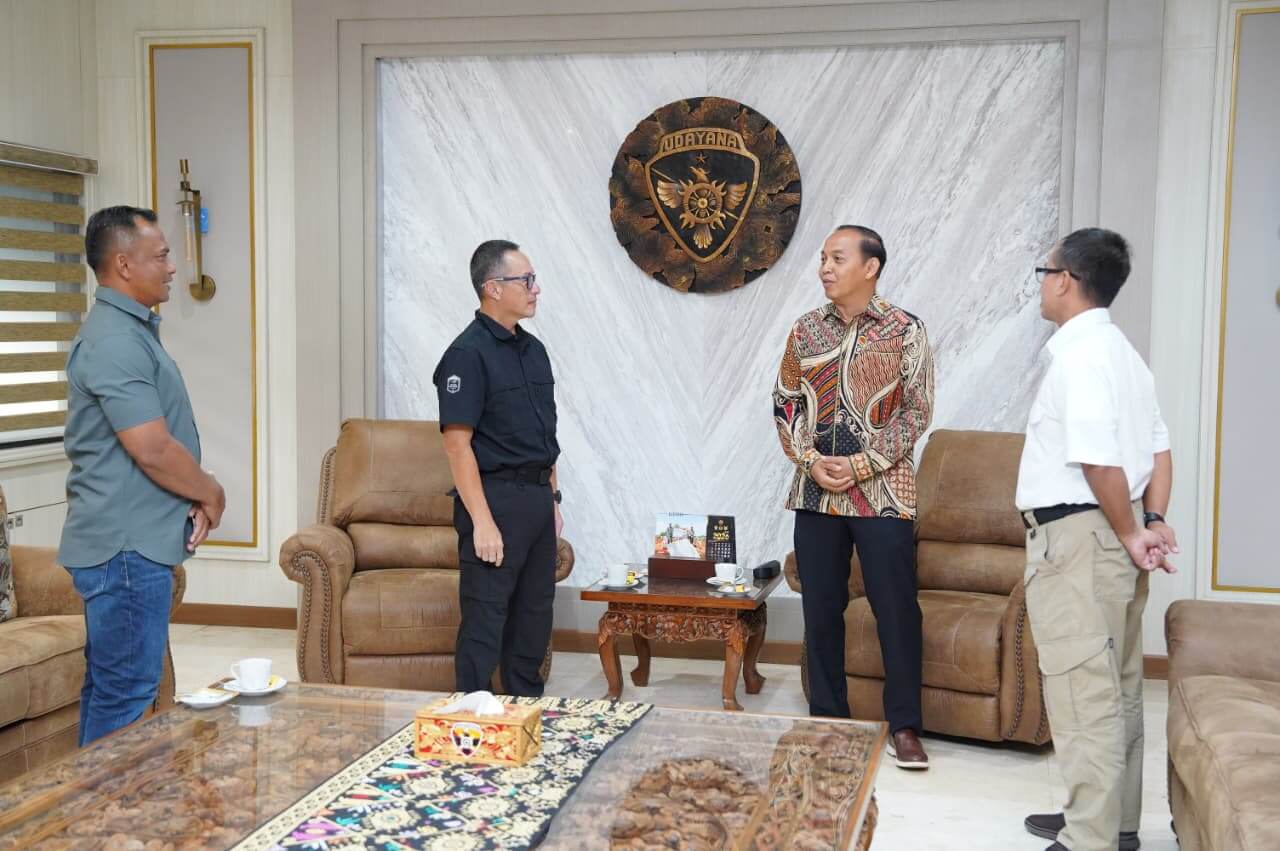
The meeting between Major General (Ret.) Dr. I. E. Djoko Purwanto and the Commander of IX/Udayana Regional Military Command, Major General TNI Piek Budyakto, became a strategic forum to discuss the concept of Green Defense Technology. This innovation places modern waste management as part of a green defense approach that connects environmental, energy, green economy, and regional resilience aspects.
Background
The Green Defense Technology study has been overseen since 2025 in collaboration with Batekhan under the leadership of Major General (Ret.) Dr. I. E. Djoko Purwanto. The President’s direction during the Plenary Cabinet Session on 20 October 2025 emphasized that waste management must become part of the national energy resilience strategy, environmental protection efforts, and the security of settlements surrounding landfill sites. Non-military threats such as energy, food, water, and environmental crises are becoming increasingly complex. Therefore, the Ministry of Defense continues to strengthen the People’s Total Defense and Security System (Sishankamrata) through the implementation of green technology.
Regional Challenges
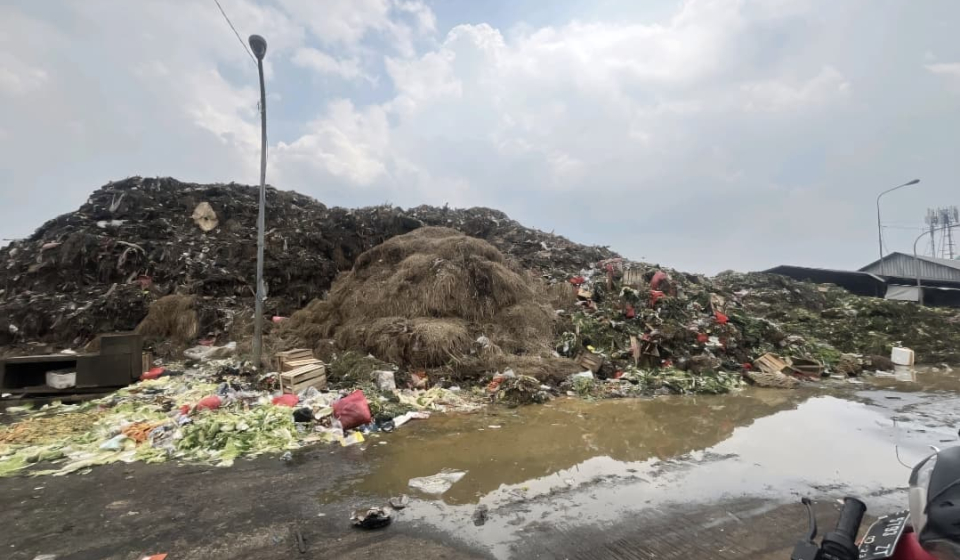
Bali, NTB, and NTT already have a number of integrated waste processing facilities (TPST) and 3R waste processing sites (TPS 3R). However, several challenges remain:
- High operational expenditure (OPEX) due to labour-intensive and energy-consuming systems.
- Environmentally unfriendly technologies that create social challenges among surrounding communities.
- Outputs that have not yet generated added value.
- The need for sustainable offtakers that has not yet been assured.
Technologies Introduced
As a response to these challenges, WITS Group offers an integrated modern waste management system, consisting of:
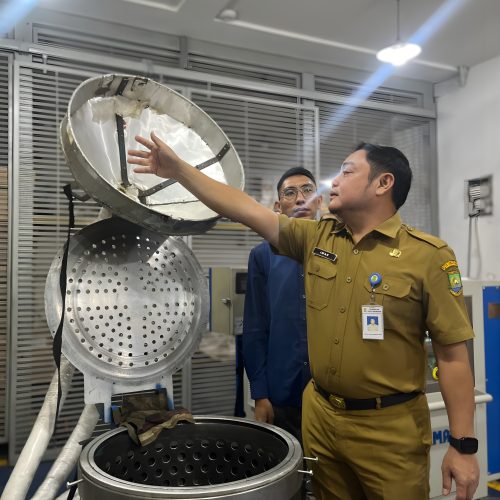
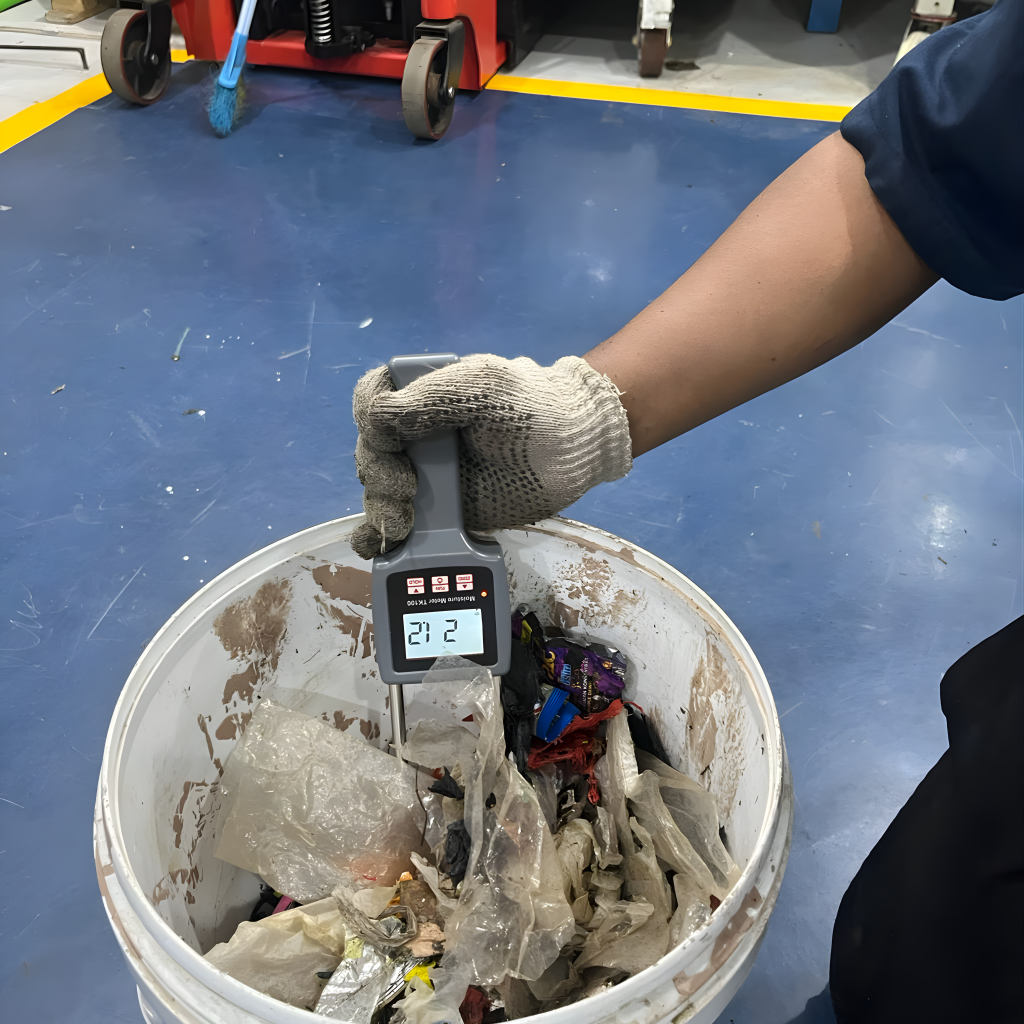
- Krigsmann Ventra Ultra Jet Turbine Dryer, designed to reduce waste moisture content quickly and efficiently without a combustion process, thereby preventing emissions.
- AI Sorting by Jono Enviro Indonesia, designed to enable precise material separation, reduce manpower requirements, and improve the quality of raw materials.
Through the combination of these technologies, waste management can be directed towards a system that requires minimal manpower, operates with lower OPEX, is environmentally friendly, and produces value-added outputs for the region.
Meeting Outcomes
During the meeting, the Commander of IX/Udayana Regional Military Command welcomed the Green Defense Technology innovation and emphasized the importance of this solution in addressing non-military challenges across Bali, NTB, and NTT.
- The Planning Assistant immediately delved into the technology presented, ensuring it met field needs.
- The YonTP (Territorial Development Infantry Battalion) land in Sumbawa is to be prepared as a pilot location for a technology demonstration, allowing its effectiveness to be directly tested.
- A small cross-stakeholder team is to be established to discuss implementation opportunities more concretely, including technical aspects, operational requirements, and implementation stages.
These follow-up measures demonstrate the commitment of IX/Udayana Regional Military Command to ensure that Green Defense Technology is not merely a concept, but a tangible agenda ready to be tested and developed across its command region.