krigsman-V.9

5 Types of Spray Guns and the Latest Krigsmann Kroma Painting Technology

Spray guns are essential tools designed to atomize liquid substances, commonly paint. By using a spray gun, the painting process becomes more efficient, practical, and results in higher quality finishes compared to traditional manual methods like brushes. Additionally, spray guns significantly save on paint usage.

To achieve optimal results with a spray gun, it’s crucial to practice and hone your skills. Here are the five common types of spray guns available on the market, plus an innovative new product from Krigsmann Kroma.

krgisman kroma i Next Generation of Painting Gun

1. HVLP Spray Gun

High Volume Low Pressure (HVLP) Spray Gun

The HVLP spray gun is designed to minimize overspray, which is common with conventional spray guns. While conventional spray guns use high air pressure with low atomization, HVLP spray guns use lower air pressure, typically around 0.05 to 0.1 MPa (7–14 psi), to achieve better atomization.

Advantages of HVLP Spray Guns:

  • Paint Efficiency: Up to 60-80% paint efficiency.
  • Versatile Applications: Suitable for varnishing wood, metallic body painting, and enameling.
  • Low VOC Waste: Reduces volatile organic compound (VOC) emissions.

Disadvantages of HVLP Spray Guns:

  • Limited to Low Viscosity Paints: Not suitable for high-viscosity liquids.
  • Potential for Rapid Wear: May wear out quickly with high-viscosity paints.
  • Low Liquid Delivery Speed: Slower application rates.

2. Gravity Spray Gun

The Gravity spray gun differs from the HVLP spray gun by positioning the paint cup on top. It operates with low volume low pressure, an evolution of HVLP technology. This type of spray gun can handle high-viscosity materials and is suitable for finishes like sealers and top coats, except stains.

Advantages of Gravity Spray Guns:

  • Handles High Viscosity: Suitable for various finishing materials.
  • Consistent Application: Offers even coverage.

Disadvantages of Gravity Spray Guns:

  • Lower Speed: Not ideal for large-scale furniture projects.

3. Airless Spray Gun

Airless Spray Gun

Airless spray guns provide an alternative method for painting by using high pressure to atomize the paint. This method results in the paint being forced through a small orifice, leading to a high-efficiency transfer rate of up to 70%.

Advantages of Airless Spray Guns:

  • High Transfer Efficiency: Less overspray and more paint on the target surface.
  • Ideal for Thick Paints: Can handle high-viscosity materials well.

4. Air Assisted Airless Spray Gun

Air Assisted Airless Spray Gun

This type of spray gun is a hybrid of airless and conventional air spray guns. It uses high-pressure air to improve atomization quality, making it ideal for topcoat applications.

Advantages of Air Assisted Airless Spray Guns:

  • Superior Finish Quality: Enhances the atomization process for a smooth finish.

5. Suction Feed Spray Gun

Suction Feed Spray Gun

The Suction Feed spray gun features a paint cup located below the gun, drawing the paint up through suction.

6. Krigsmann Kroma

Krigsmann Kroma: The Next Generation of Spray Guns

Krigsmann Kroma is an innovative spray gun technology developed in the US and further enhanced by Ford Motor Company. Now available in Indonesia, it aims to revolutionize the painting industry with its impressive paint efficiency of up to 90% and paint consumption savings of up to 70%.

Advantages of Krigsmann Kroma:

  • High Paint Efficiency: Up to 90%.
  • Significant Paint Savings: Up to 70% less paint consumption.
  • Energy Efficient: Operates without requiring high pressure.
  • Clean Air Output: Produces clean air without oil and water residues, reducing defects.
  • Smooth Finishes: Delivers exceptionally fine and smooth paint jobs.

Why Choose Krigsmann Kroma:

  • Efficient and Economical: Reduces overall paint and energy costs.
  • Advanced Technology: Uses turbine technology instead of compressors.
  • Environmentally Friendly: Clean air output with no harmful residues.

In summary, spray guns are a vital tool in achieving high-quality painting results. From HVLP to Krigsmann Kroma, each type offers unique benefits tailored to specific needs and applications. For the best results, consider your project requirements and select the appropriate spray gun technology.
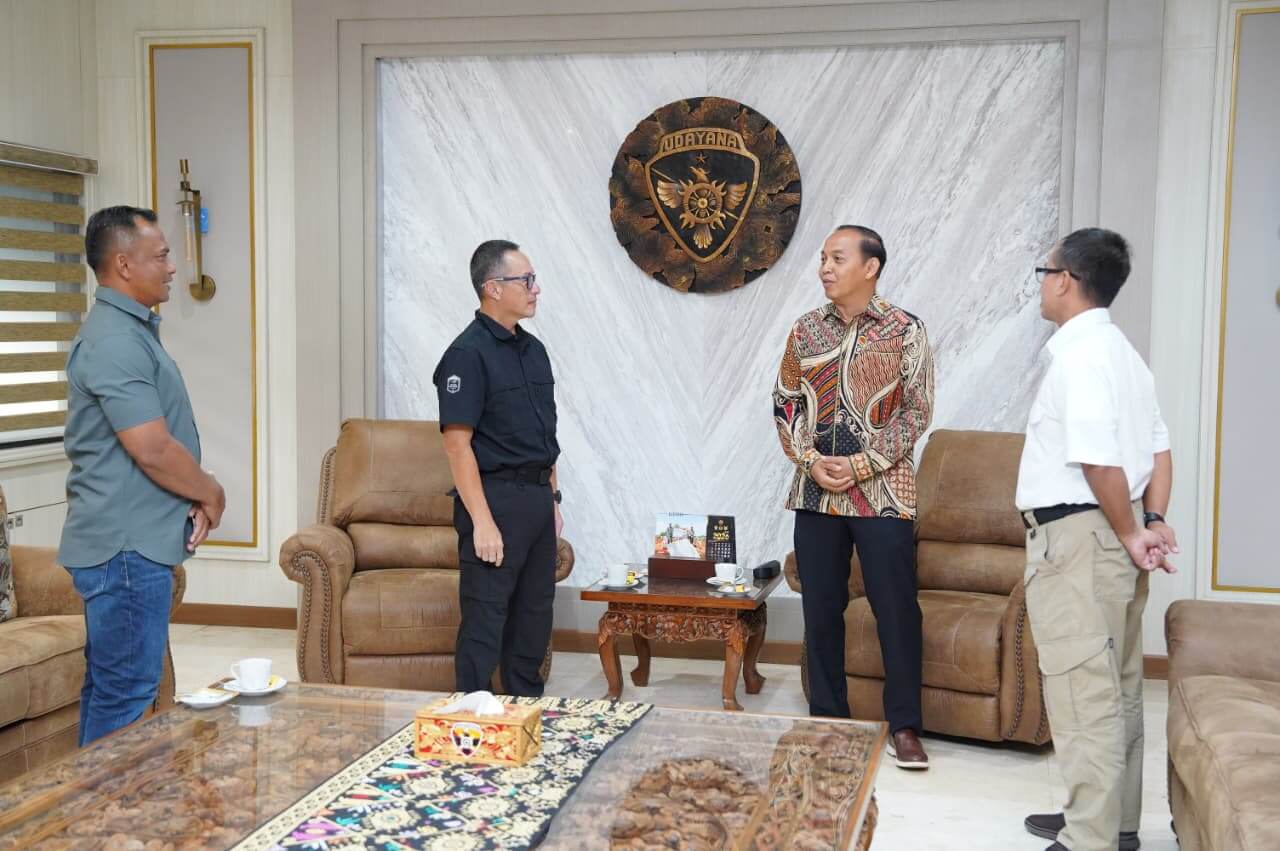
Wits Group, Together with the Jakarta Environmental Agency (DLH), Visits Biomagg to Develop Maggot-Based Organic Waste Processing

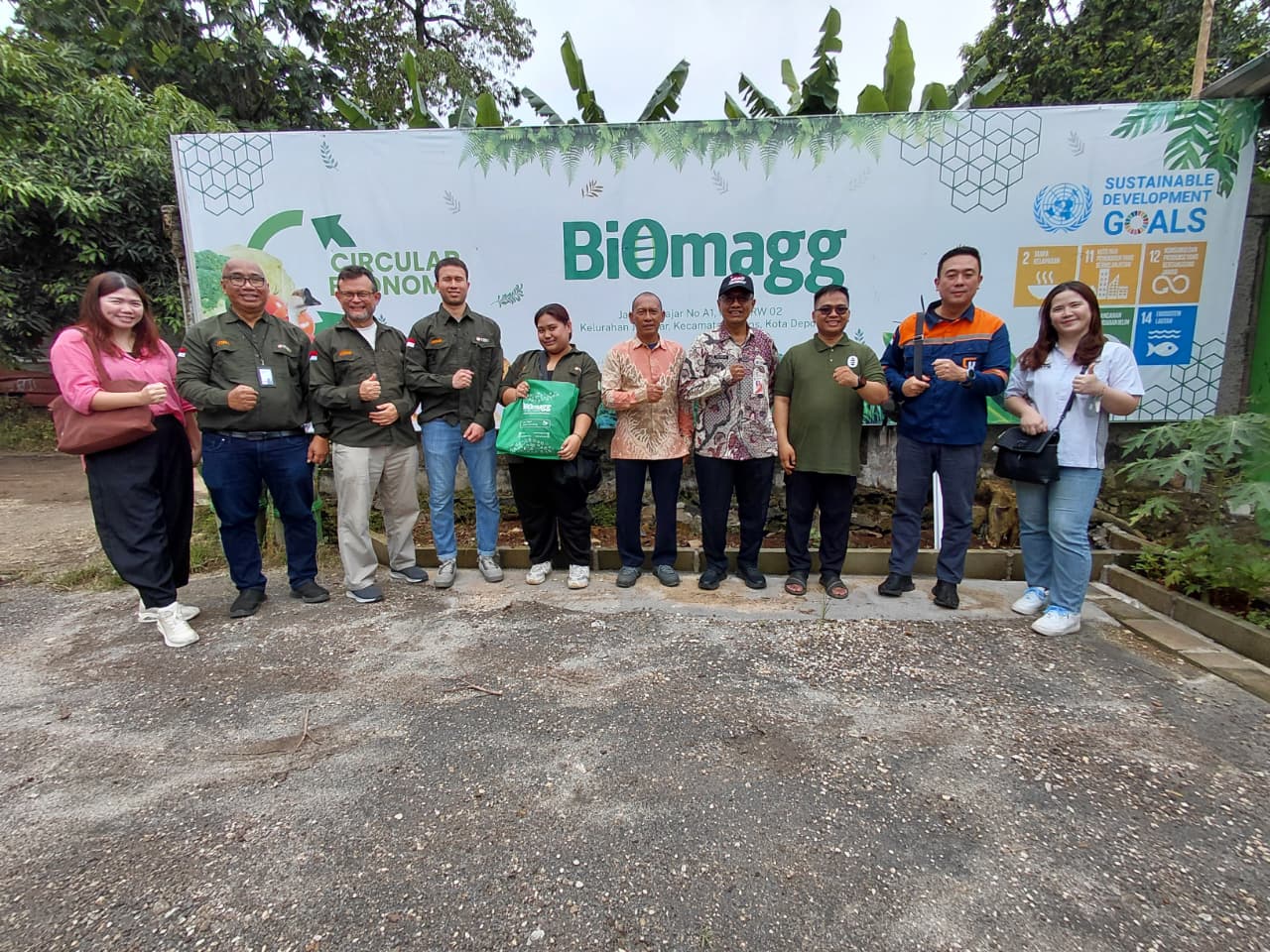
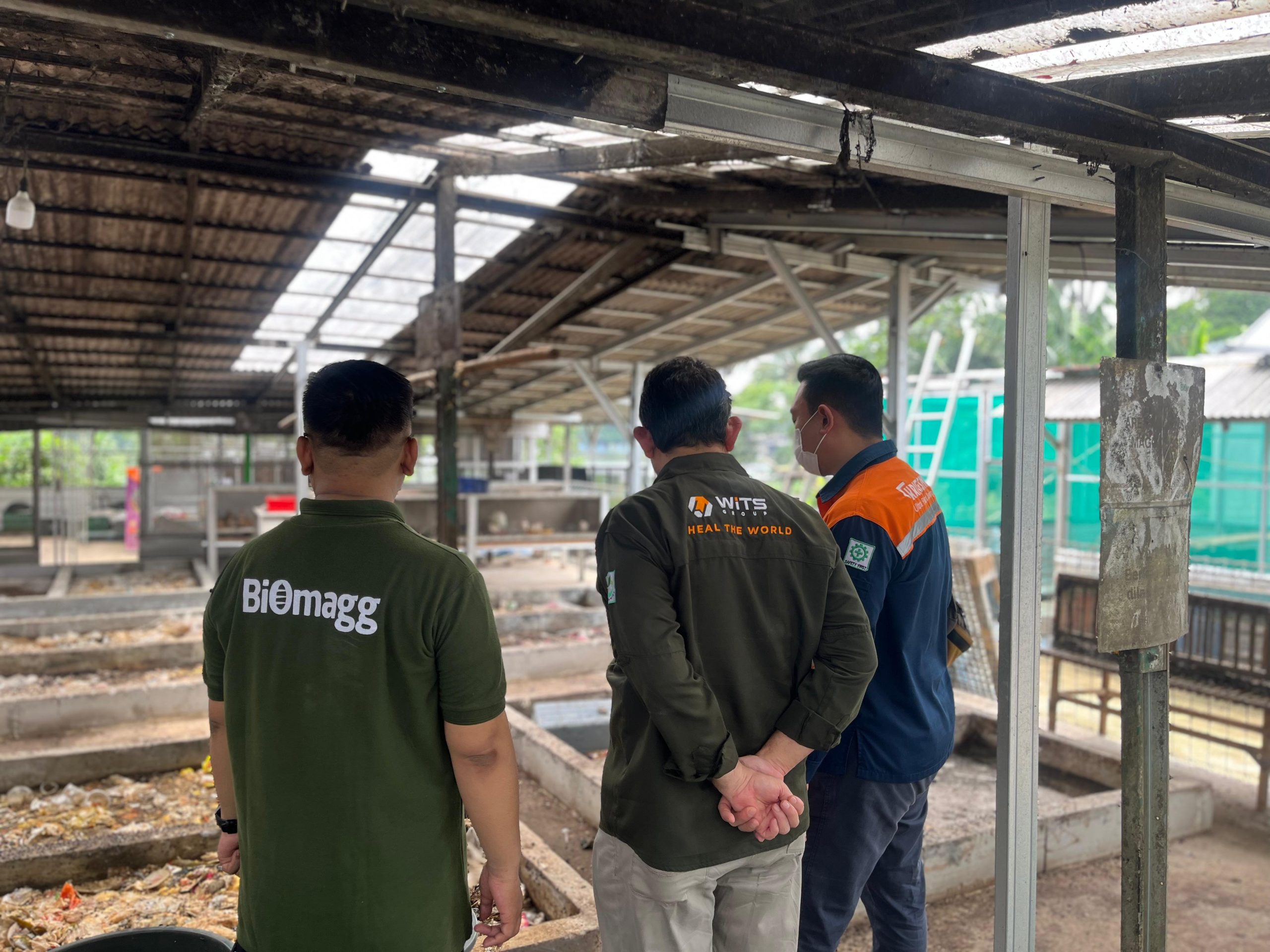
On April 23, 2026, the WITS Group, accompanied by the Jakarta Environmental Agency (DLH), visited the Biomagg facility with the primary objective of learning firsthand about the maggot-based organic waste processing process. This activity is part of WITS Group’s efforts to explore various more effective waste management approaches, particularly for addressing the organic fraction that currently dominates waste composition in many areas.

Biomagg is known as an industry player focused on utilizing Black Soldier Fly (BSF) larvae, or maggots, as a solution for organic waste processing. During this visit, the WITS Group team received a comprehensive explanation of the process, from organic waste receipt, initial sorting, and feeding the maggots. The organic waste used generally comes from food scraps and market waste, which are then processed by the maggots through a natural bioconversion process.

In practice, maggots are capable of decomposing organic waste very quickly, while significantly reducing waste volume. Furthermore, the results of this process also have economic value, as the grown maggots can be used as high-protein animal feed, while the remaining processing residue can be used as organic fertilizer.

During the visit, the WITS Group also directly observed the operational conditions of the Biomagg facility, including the environmental management system, odor control, and process efficiency. Interactive discussions between the two parties also explored the potential for developing this system on a larger scale, as well as opportunities for integration with other waste processing technologies to create a more comprehensive system.

This visit provided WITS Group with important insights into the application of biology-based technology in organic waste management. With a relatively simple yet effective approach, maggot cultivation is a promising alternative solution for reducing the burden on landfills while creating added value from waste.

Through this activity, the WITS Group and Biomagg are opening up opportunities for future collaboration in developing an integrated and sustainable waste processing system. The synergy between technological approaches and nature-based solutions is expected to be a concrete step in addressing the challenges of waste management in Indonesia.

DLH Tangerang City Conducts RDF Technology Trial at WITS Group(2)

DLH Tangerang City Conducts RDF Technology Trial at WITS Group

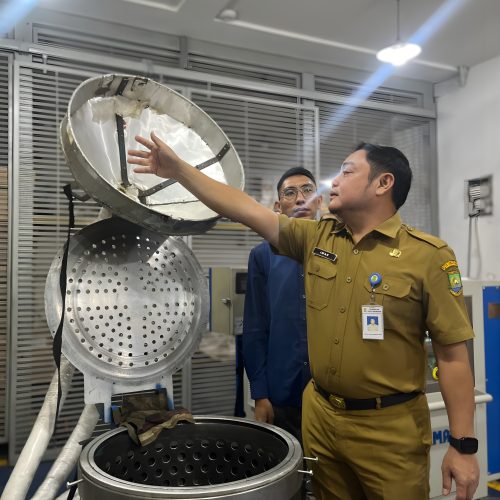
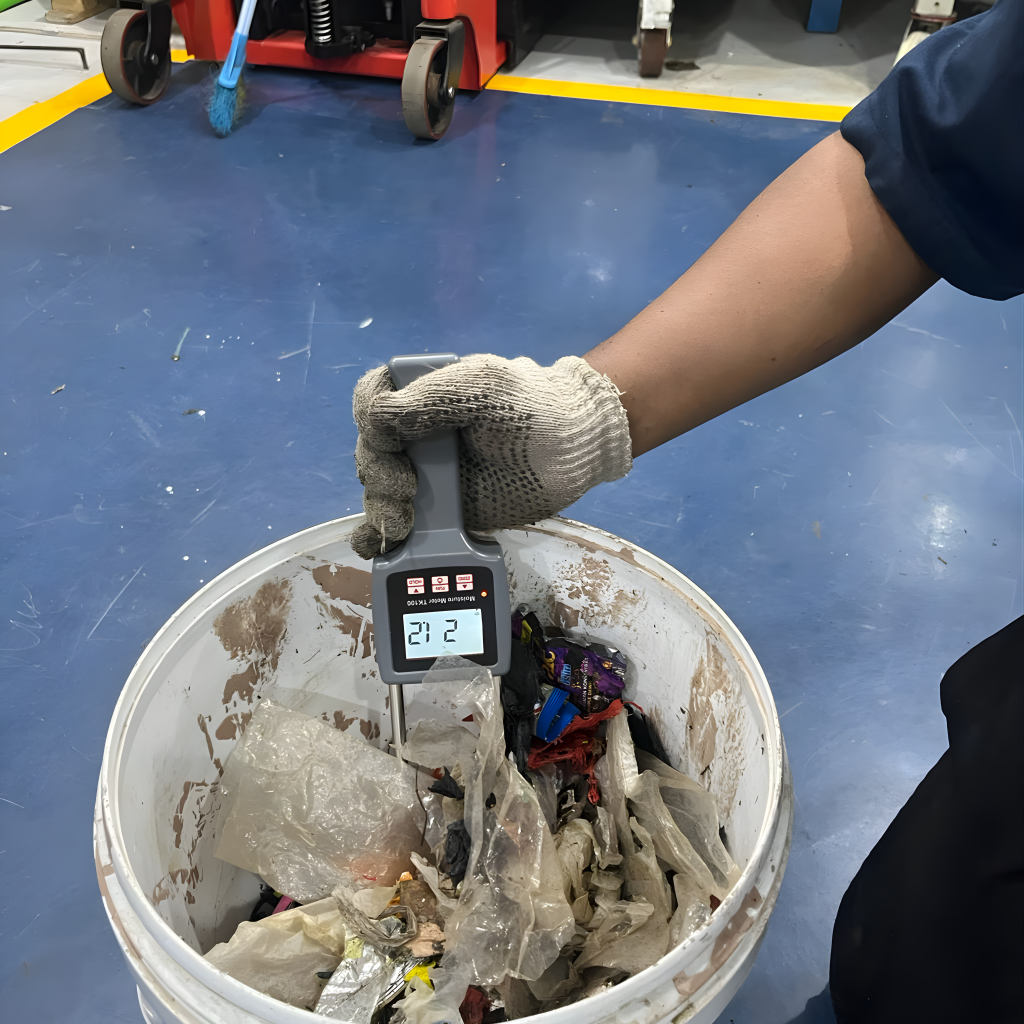
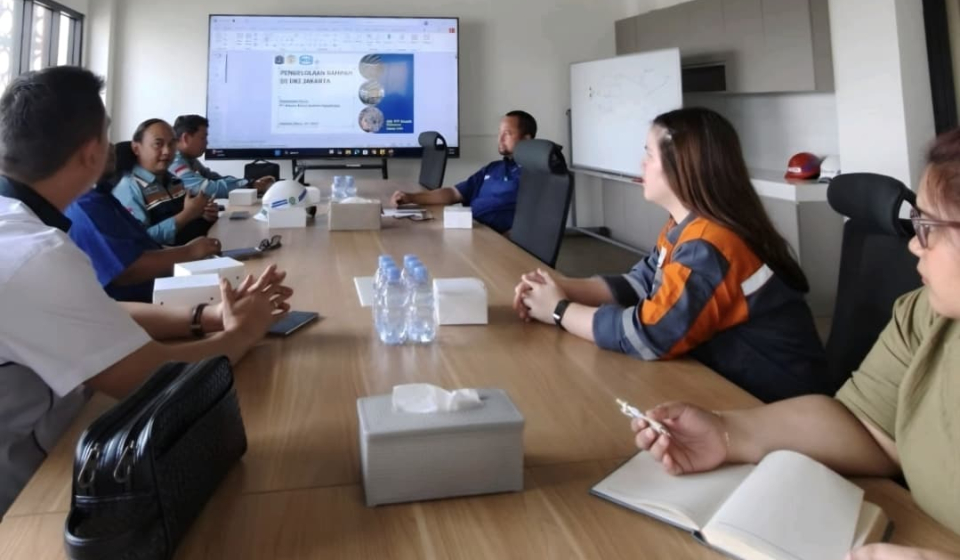
On Monday, April 6, 2026, the Environmental Agency (Dinas Lingkungan Hidup or DLH) of Tangerang City visited WITS Group to conduct a trial of Refuse Derived Fuel (RDF) processing technology. The primary focus of this trial was the utilization of the Krigsmann Ventra Ultra Jet Turbine Dryer, a system specifically designed to address one of the key challenges in RDF utilization—high moisture content, which typically remains around 40% and does not yet meet industry standards. The trial was carried out in a structured manner, beginning with the measurement of initial moisture content, followed by the drying process, and concluding with final measurements. The RDF material tested had an initial moisture content of 52.3% and was processed using the Krigsmann Ventra machine with an approximate cycle time of 30 minutes. 
The results demonstrated a significant reduction in moisture content to 21.2%, successfully bringing it below the maximum threshold of 25% required by the cement industry. This achievement confirms that the RDF meets the necessary criteria for use as an alternative fuel. Furthermore, the outcome serves as strong evidence that Krigsmann Ventra’s turbine-based drying technology delivers proven performance, particularly in enhancing RDF quality to meet industrial application standards. In addition to the technical trial, the visit also included a brief discussion onintegrated waste management approaches, covering processes from source-level segregation to downstream processing. This exchange provided valuable insights into potential solutions tailored to the needs of Tangerang City. This visit marks an important first step in opening collaboration opportunities between WITS Group and DLH Tangerang City. Supported by measurable and industry-relevant trial results, both parties now have a solid foundation to further explore the implementation of more effective and sustainable waste management solutions.

isi

WITS Group and Dinas PUPR East Kalimantan Formulate Holistic Waste Strategy: Smart City Source Sorting and Large-Scale MSW Management

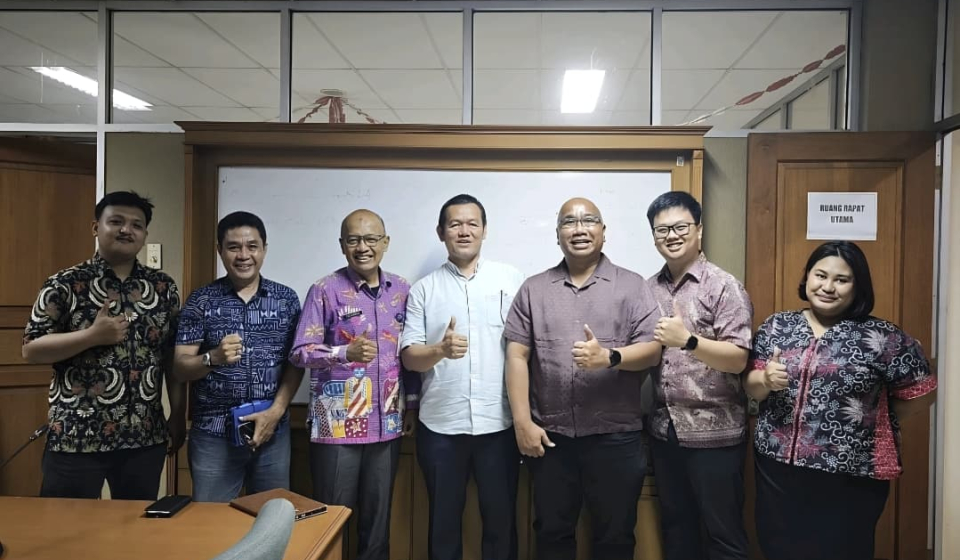
On Friday, December 12, 2025, WITS Group held a highly productive and strategic discussion with the Cipta Karya team from the Dinas PUPR (Department of Public Works and Public Housing) of East Kalimantan Province.

The meeting served as a vital platform for exchanging ideas aimed at revolutionizing waste management across cities in East Kalimantan. A highlight of the exchange was the involvement of a dedicated group of young professionals within the Dinas PUPR, whose vision aligns with the need for a comprehensive, end-to-end solution.

The core of the discussion focused on a dual-pronged strategy addressing both the upstream and downstream levels of waste management:

1. Upstream: Smart City–Based Source Sorting

At the upstream level, the strategy emphasizes the implementation of Smart City solutions through the deployment of intelligent waste machines (Smart Bins) at strategic urban locations. These smart units are designed to encourage, monitor, and validate waste sorting directly at the source. By promoting proper segregation within communities, the system aims to significantly reduce mixed waste, improve operational efficiency, and ease the burden on downstream facilities.

2. Downstream: Large-Scale Urban MSW Management

The downstream component focuses on the management of Municipal Solid Waste (MSW) at a large-scale, urban level. Waste that cannot be reduced or fully separated upstream will be handled through integrated, high-capacity processing systems designed to treat large volumes of urban waste efficiently and responsibly. This downstream approach ensures that collected waste is managed in a controlled and environmentally sound manner, completing the waste management cycle from collection to final processing.

This collaboration marks a significant step toward implementing real, scalable solutions, ensuring a cleaner environment for cities across the province.

Cover PPKL

Strategic Meeting: WITS Group, Mr. Eko Gumelar, and PPKL/PSLB3 Teams Address Jakarta’s Waste Challenges

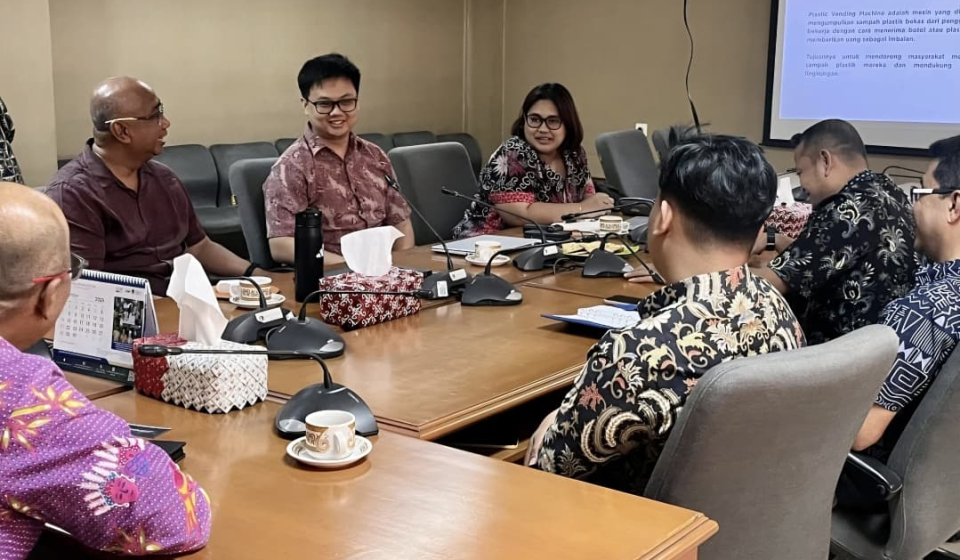
On October 9, 2025, WITS Group held a strategic meeting with key government officials to address the complex waste management challenges in the city.

The discussion featured Mr. Eko Gumelar (Head of the Environmental Sub-Department of East Jakarta), along with valued teams from PPKL (Pollution and Environmental Damage Control) and PSLB3 (Waste and B3 Waste Management).

It was a meaningful exchange focused on practical outcomes, exploring how collaboration between the government and private sectors could create more sustainable and high-impact results.

This meeting marks a critical step toward building the public-private alliances necessary to deploy tangible, effective waste management technologies. WITS Group is prepared to move forward with solutions that can deliver measurable results for the city.

cover pasar induk kramat jati

WITS Group Strategic Review: Organic Waste Challenges and Energy Opportunities at Pasar Induk Kramat Jati

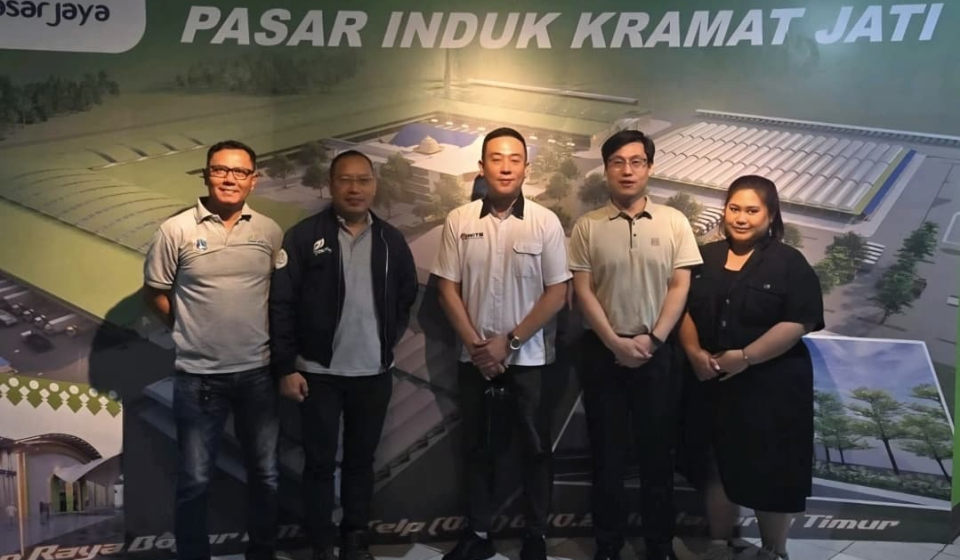
On August 22, 2025, WITS Group revisited Pasar Induk Kramat Jati, the largest and busiest traditional market in Jakarta, to conduct a deeper assessment of its operational and environmental challenges.

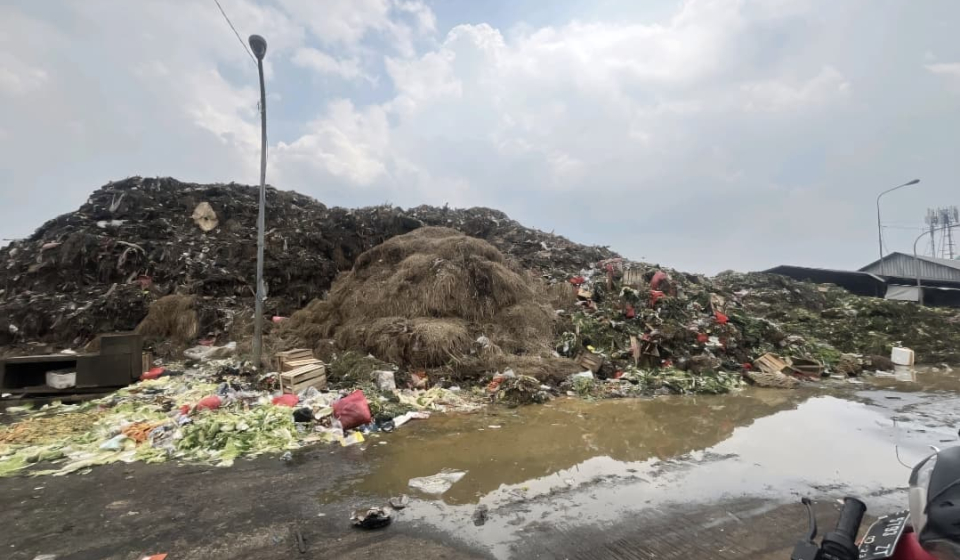
The visit yielded a significant and troubling finding: a “mini landfill” operating directly within the market’s boundaries, overwhelmingly composed of organic waste.This discovery provides a stark, ground-level view of a much larger systemic issue. To put the situation in context:

  • Perumda Pasar Jaya manages approximately 154 traditional markets across Jakarta.
  • Collectively, these markets generate around 500 tons of waste every single day.
  • Pasar Induk Kramat Jati is the single largest contributor, producing between 150 to 200 tons of that daily waste.

The visit reinforces a key strategic opportunity that WITS Group is actively exploring. Imagine if this massive, consistent stream of organic waste could be diverted from landfills. Instead of being a problem, it could be processed and converted into a stable energy source, potentially serving as fuel for Indonesia’s power plants (PLTU).

This approach would transform a daily liability into a tangible, sustainable solution, directly supporting Indonesia’s energy and environmental goals. WITS Group is committed to exploring the technologies and partnerships required to turn this vision into a reality.

cover RDF

WITS Group Conducts Strategic Visit to Rorotan RDF Plant to Advance Urban Waste Solutions

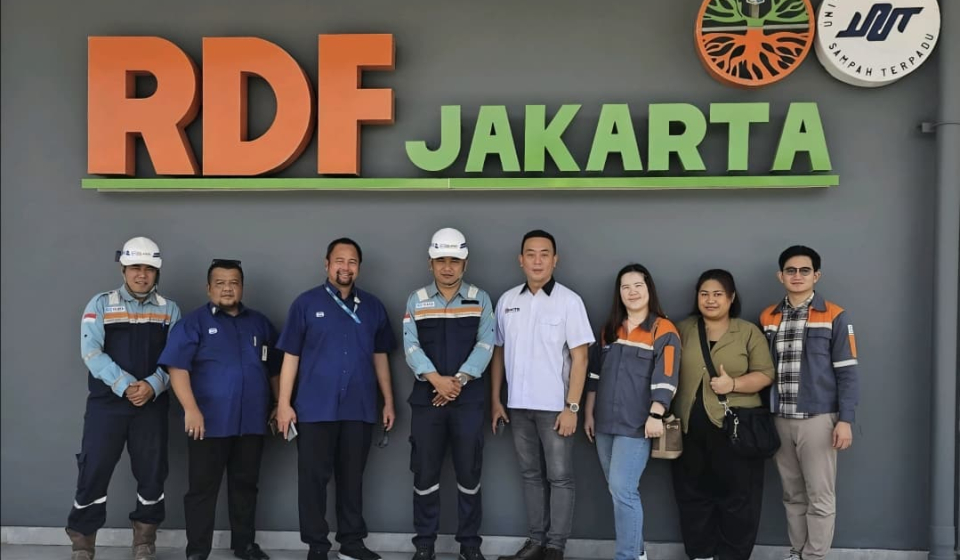
On July 29, 2025, WITS Group, alongside our strategic partner PT Wijaya Karya Industri & Konstruksi (WIKA IKON), conducted a strategic site visit to the world’s largest Refuse-Derived Fuel (RDF) Facility located in Rorotan, Jakarta.

This visit was aimed at analyzing the on-ground operations of the state-of-the-art facility, which is designed to process up to 2,500 tons of waste per day. The visit underscores the urgency of the waste management challenge facing the capital. Data indicates that Jakarta produces more than 7,500 tons of waste every single day. The Rorotan RDF facility, which converts waste into a source of energy, represents a significant step forward.

However, the scale of the problem remains immense. Even with the additional capacity from Bantar Gebang processing approximately 2,000 tons per day, this combined output is still far from balancing the daily input. This does not account for the millions of tons already accumulated in existing landfills.

The visit to Rorotan reinforced the conclusion that Jakarta needs real, integrated solutions—not just machines. Success is not measured merely by tons processed, but by the right technology, implemented the right way, and executed sustainably.

WITS Group and PT WIKA Industri & Konstruksi remain committed to pioneering these comprehensive solutions, ensuring that advanced technology delivers a tangible impact on one of the region’s most pressing environmental challenges.

Your paragraph text (6)

Calculator Evaboat

Your paragraph text (6)

SPECIFICATION

TiB2 (Titanium diboride), electrically conductive with high resistance to chemicals and heat

BN (Boron nitride), thermally conductive with high electrical resistivity

OUR SOLUSTION

OUR SOLUSTION

Kami menjalankan Six Sigma, yang mana dengan pendekatan metode DMAIC merupakan metode yg di terapkan pada assessment pengaplikasian High Performance Evaboat.

Define

Mengumpulkan
data actual
pelanggan

Measure

Melakukan
Assessment untuk
mencari data
kondisi di lapangan.

Analysis

Melakukan perbandingan antara data actual dengan data Assessment dan memberikan rekomendasi terbaik untuk pelanggan

Improve

Instalasi produk sesuai kesepakatan bersama

Control

Melakukan pendataan perbandingan sebelum dan sesudah

ADVANCE SOLUSTION

Engineering on Alumina Wire Funnel in metalizing machine to eliminate spitting on metalizing film

CONTACT US

Free Consultation, E-Book, Sample, & Fitur Calculation.

Calculator From

dalem

WITS Group Achieves Ministry of Defense Certification, Making Its Weaponry Oil the Official Standard for the TNI

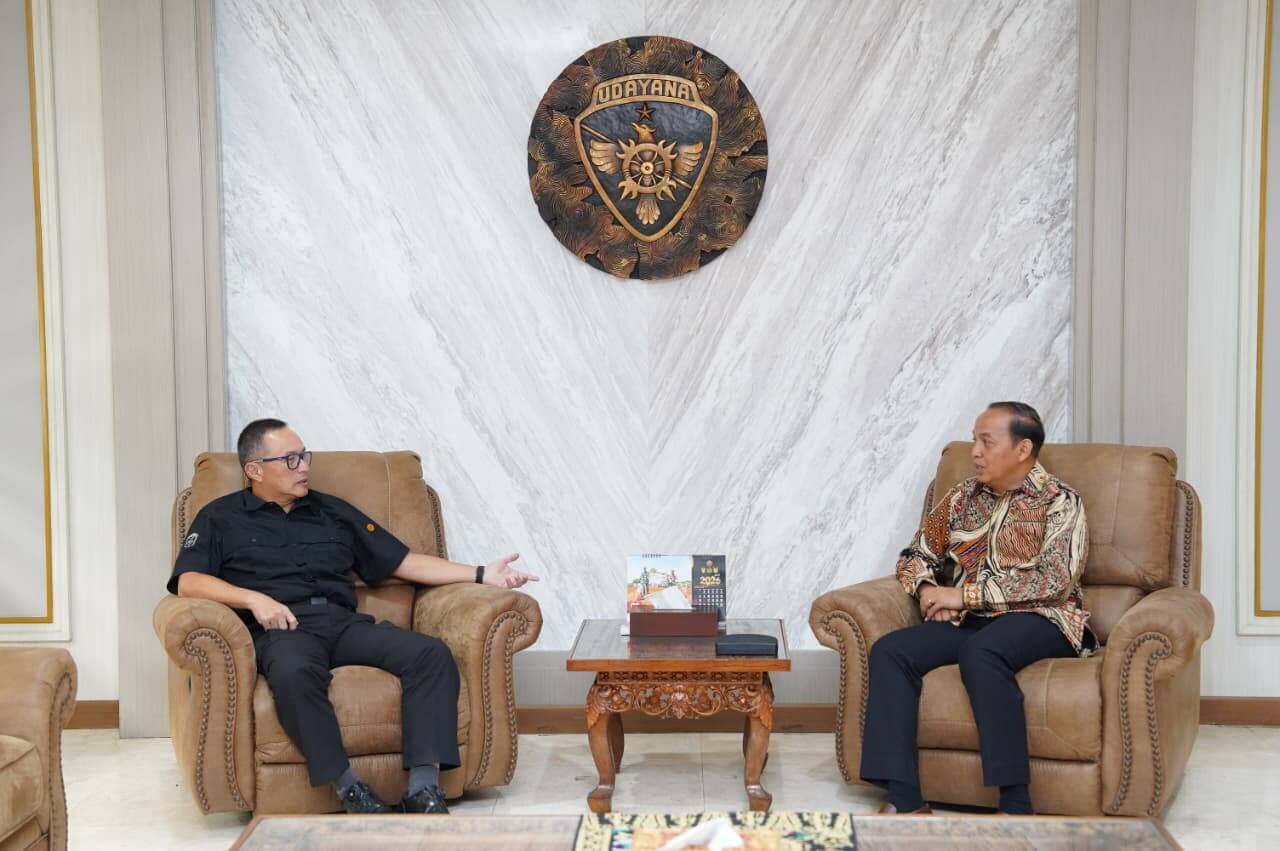
Jakarta, October 8, 2025 – PT WIN Termal Solusindo (WITS Group), through a strategic collaboration with PT Petrosorb Indonesia, has marked a historic achievement in supporting the national defense industry. Held at the facilities of the Ministry of Defense of the Republic of Indonesia (MoD RI), the jointly developed Weaponry Oil product has been officially declared to have passed a series of qualification tests and received full certification.The ceremonial event, attended by the leadership of WITS Group, PT Petrosorb Indonesia, as well as high-ranking officials from the Ministry of Defense and representatives of the TNI (as seen in the photo documentation), became the culmination of an intensive research and testing process.This achievement marks an important milestone, as the MoD RI has officially designated this collaboration’s Weaponry Oil product as the new firearm lubricant standard to be used across all three branches of the Indonesian National Armed Forces (TNI): the Army (TNI AD), the Navy (TNI AL), and the Air Force (TNI AU).

This certification was granted after the product underwent rigorous validation and testing conducted at the Defense Technology Agency (Batekhan) of the MoD RI, ensuring that the lubricant meets the highest military technical specifications (Mil-Spec). This success demonstrates the superior quality, reliability, and performance of our Weaponry Oil, which is specifically designed to protect and maintain modern main weapon systems under various extreme operational conditions.With the designation of this Weaponry Oil as the official standard, WITS Group and PT Petrosorb Indonesia are ready to begin the production and distribution phase to meet the armament maintenance needs of all TNI units. We are proud to contribute directly to maintaining the readiness and reliability of weapon systems for the sovereignty and defense of Indonesia.

Cover 3

WITS Group, Alkindo Mitraraya, and Buhmwoo Indonesia Formalize Strategic Collaboration for TKDN-Based CLP Lubricant Development

Cover 3

WITS Group, PT Alkindo Mitraraya, and PT Buhmwoo Indonesia have officially signed a Memorandum of Understanding (MoU) to establish a strategic collaboration in the development and production of a multifunctional CLP (Cleaning, Lubrication, Protection) lubricant, intended for national-level applications.

The product is designed to meet high-quality standards and is positioned to support the advancement of locally produced lubricants in line with Indonesia’s Domestic Component Level (TKDN) policy. Under this collaboration, while the core additive materials are supplied by a Korean technology partner, the entire blending, production, testing, and certification process is conducted domestically.

Each party plays a critical role in the collaboration:

  • WITS Group leads the project, overseeing technical direction, commercial strategy, and coordination with the end-user.
  • PT Alkindo Mitraraya is responsible for blending, production, and managing all TKDN-related documentation.
  • PT Buhmwoo Indonesia provides the main additive components along with the necessary technical and regulatory documentation.

The product will undergo a series of validation steps, including quality testing, field trials, and formal TKDN certification, as part of the joint commitment to build a resilient and competitive domestic lubricant supply chain.

This MoU marks a significant milestone in strengthening industrial collaboration, import substitution, and the development of high-performance lubricants driven by local capabilities.

WITS Group Explores Synergy Between Waste Processing and Industrial Needs with Kendal Regency Government

In response to the national challenge of urban waste management and to promote the implementation of a circular economy, WITS Group held a strategic audience with Regent of Kendal, Hj. Dyah Kartika Permanasari, S.E., M.M., accompanied by members of Commission C of the Kendal Regional House of Representatives (DPRD) and Luqni Kaharudin, S.T., M.T., Head of Waste, Hazardous Waste, and Landscaping Management at the Kendal Environmental Agency (DLH).

This meeting marked an initial step toward building synergy between waste management programs and the growing industrial ecosystem in Kendal, particularly as Kendal Industrial Park (KIK) emerges as one of the fastest-growing and most strategic industrial hubs in Central Java.

During the session, WITS Group introduced Jono Technology — an AI-powered smart waste processing system designed to convert mixed municipal waste into valuable industrial resources. The technology produces five main output products:

  • Plastic pellets, used as raw material for plastic injection and molding industries
  • Sorted metals, which can be absorbed by secondary smelters or recycling-based manufacturers
  • Recycled aggregates, ideal for construction projects and area infrastructure development
  • Organic fertilizer, supporting greening, landscaping, and environmental maintenance within industrial zones
  • Enercycle Fuel (ECF), a solid fuel derived from waste, serving as an alternative energy source, ideal for power generation

These products have the potential to be utilized by a wide range of industries — from large-scale enterprises operating within the Kendal Industrial Park to Small and Medium Industries (IKM) engaged in manufacturing, construction, or environmental services.

By aligning technology, industry, and local policy, WITS Group believes that modern waste processing can act as a catalyst for building a more clean, efficient, and inclusive industrial ecosystem. This initiative also supports national goals to reduce landfill dependence, promote renewable energy, and turn waste into economic value.